Quick Facts
- The Deal: IMAX is reportedly exploring a strategic sale with a target enterprise value of approximately $2 billion.
- Price Targets: Wall Street analysts have issued bullish outlooks, with price targets ranging from $46 to $60 per share.
- Market Position: The company controlled a 5.2% share of the North American box office in 2023, up significantly from pre-pandemic levels.
- Key Potential Buyers: Strategic interest is rumored to come from tech giants like Apple and Netflix, as well as traditional media players like Sony.
- Major Catalyst: The upcoming 2025 and 2026 film slates, including Christopher Nolan's The Odyssey, are expected to drive record-breaking high-end cinematic revenue.
- Core Risk: A buyout by a major content producer could trigger the IMAX business model neutrality risk, potentially alienating rival film studios.
- Investment Verdict: While fundamentally strong, the recent 15% price surge and $40 million in insider selling suggest a need for a disciplined entry strategy.
A potential IMAX stock acquisition is rocking Wall Street as reports suggest a $2 billion buyout valuation. As tech giants like Apple and Amazon eye the premium large-format leader, investors must weigh the strategic premium against the IMAX business model neutrality risk.
The $2 Billion Question: Decoding the IMAX Buyout Valuation Analysis
As of late May 2026, IMAX Corporation had a market capitalization of approximately $2.18 billion, reflecting a market that is beginning to bake in a "takeover premium." However, executing an IMAX buyout valuation analysis requires looking beyond the sticker price. For a strategic buyer, the price tag is less about current cash flow and more about the proprietary technology and the global network of high-end screens that no other player can replicate.
The stock recently experienced a 15% surge following the initial leak of sale rumors. From a technical perspective, this creates a specific challenge for new investors. Market gaps—the space on a chart where no trading occurs due to a sudden price jump—are often "filled" during periods of volatility. Investors should watch for a potential technical gap fill risk at the $33.88 support level if M&A talks appear to stall or if a concrete offer does not materialize quickly.
Furthermore, the reporting of nearly $40 million in recent insider selling provides a necessary reality check. While price targets after 2026 buyout reports have reached as high as $60, the fact that company insiders are liquidating some of their positions suggests that they see the current valuation as a fair point to trim exposure. This doesn't necessarily mean a deal won't happen, but it does suggest that the "easy money" from the rumor stage may have already been made.
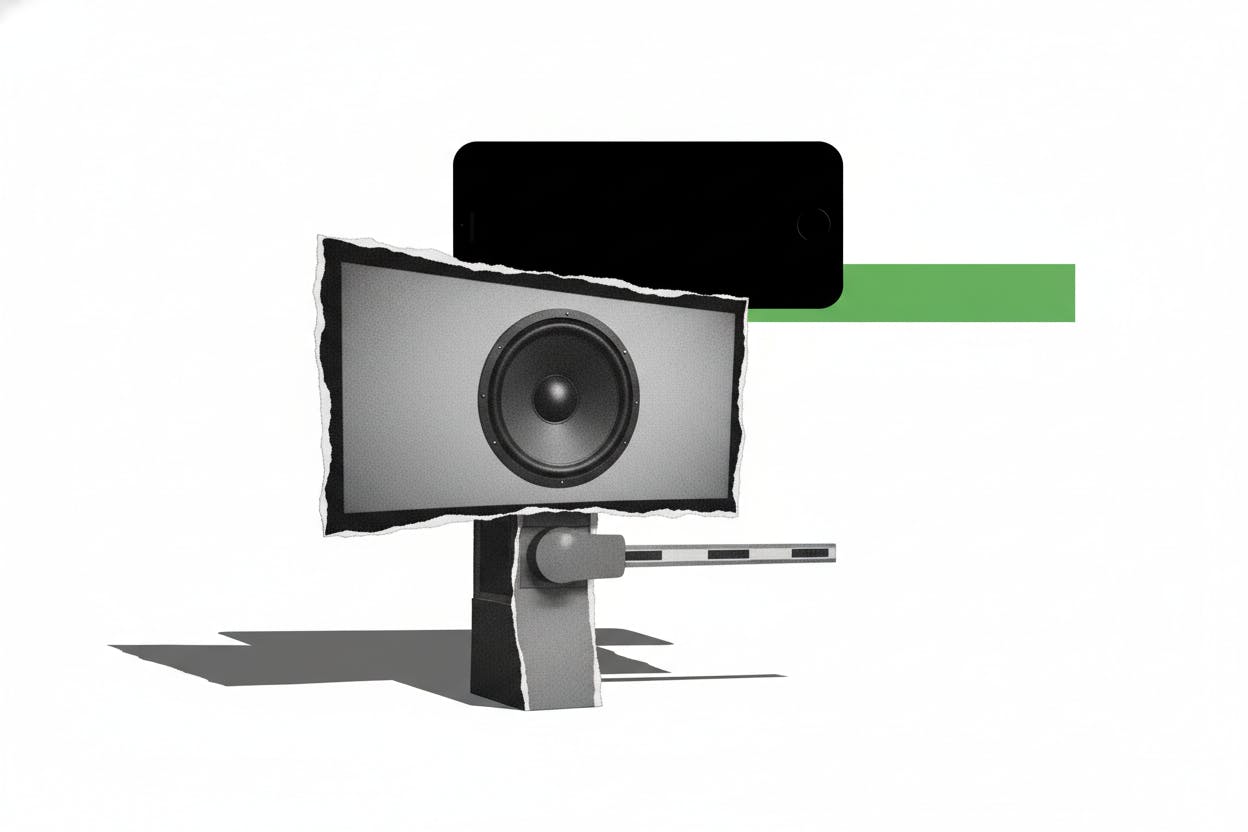
The Tollbooth Advantage: IMAX's Asset-Light Business Model
To understand why this company is a target, you must view it through the lens of a "tollbooth." Most people see IMAX as a theater company, but it is actually a technology licensing and digital distribution platform. They do not own most of the theaters they operate in; instead, they provide the hardware, the software, and the brand in exchange for a percentage of the box office.
This asset-light approach is highly attractive to potential acquirers. It allows the company to benefit from the massive overhead spent by theater chains like AMC or Regal without carrying the burden of real estate leases or theater maintenance. This strategy has proven effective as the industry shifts toward Premium Large Format (PLF) experiences. By early 2026, premium large-format screens overall grew to represent 16% of domestic ticket sales.
The statistics back up this dominance. IMAX saw its share of the North American box office increase to 5.2% in 2023, up from 3.2% in 2019. In a world where general moviegoing has struggled to return to 2019 levels, the "event" cinema—the kind you have to see on a massive screen—is the only segment showing robust growth. For an investor, is IMAX stock a buy at current enterprise value? The answer depends on whether you believe this flight to quality is a permanent shift in consumer behavior or a temporary trend driven by a few blockbuster hits.
Strategic Fit: Big Tech vs. Legacy Studios
The landscape of potential buyers represents a fascinating battle between vertical integration and industry preservation. Analysts have identified Apple, Amazon, and Netflix as potential acquisition suitors because these companies are desperate to bridge the gap between their streaming dominance and the cultural prestige of theatrical releases.
- Big Tech (Apple/Netflix/Amazon): These buyers seek vertical integration. Apple, for instance, could use IMAX as a flagship "physical" home for its billion-dollar original films, ensuring that every Apple Original film is viewed in the best possible format. This elevates the brand’s prestige and helps in attracting top-tier filmmakers like Martin Scorsese or Ridley Scott.
- Legacy Media (Sony/Disney): A strategic player like Sony is an intriguing candidate. Unlike Disney or Universal, Sony does not have its own proprietary streaming service to feed, which might make it a more "neutral" owner in the eyes of other studios.
- Private Equity: This is perhaps the most likely outcome for maintaining the status quo. A private equity firm could acquire the company, optimize the balance sheet, and continue to serve all studios equally without the conflict of interest inherent in a studio-owned model.
When performing an IMAX strategic buyer comparison, the "synergy" of a tech buyout is high, but the "operability" might be low. A tech giant might buy the company for $2 billion and accidentally break the very thing that makes it valuable: its role as the industry’s universal standard.
The Neutrality Trap: Risks to the Tollbooth Model
The biggest danger in an IMAX stock acquisition by a content creator like Netflix or Disney is what we call the neutrality trap. Currently, IMAX is the neutral ground of Hollywood. Because they don't produce their own competing films, every studio—Universal, Warner Bros., Disney—is happy to master their films in the IMAX format and share the revenue.
If a single studio or a streaming giant like Netflix becomes the owner, that neutrality vanishes. This presents a significant IMAX business model neutrality risk for stock buyers. If Netflix owns the "tollbooth," will Disney be willing to pay that toll? Probably not. Disney might decide to shift its tentpole releases exclusively to Dolby Cinema or other competing Premium Large Format brands to avoid putting money directly into the pockets of a primary competitor.
Maintaining open access for all filmmakers is essential for the company to sustain its global install base. If a buyout results in a "closed ecosystem," the $2 billion valuation could quickly look overpriced as the volume of available films drops. For those considering the pros and cons of tech companies acquiring IMAX, the threat of studio boycotts is the single largest entry on the "con" side of the ledger.
Investing Strategy: Timeline and Catalysts
For retail investors, the timing of an entry is critical. There are two major cinematic "moats" on the horizon that could act as massive catalysts for the stock price, regardless of whether a sale occurs. The first is dune: part 3, which is expected to be a technical showcase. The second, and perhaps more significant, is the potential for investing in IMAX stock before Christopher Nolan's The Odyssey.
Christopher Nolan is arguably the greatest marketing asset the company has. His insistence on using 70mm film cameras has made the brand synonymous with cinematic excellence. A successful launch of his next project could push the stock toward the high-end analyst price targets of $60, especially if it coincides with a bidding war for the company.
However, a guide to retail investing in IMAX during acquisition rumors wouldn't be complete without a warning on the $2 billion valuation. If a deal is priced at exactly $2 billion, there is very little "upside" left from the current trading price. The real profit for investors lies in a "strategic premium"—where a buyer like Apple is willing to pay $2.5 billion or $3 billion just to keep the asset out of the hands of Netflix.
My recommendation is a cautious hold for current owners and a "buy on dips" for new investors. If the price retests the $33.88 support level, it offers a much better risk-reward ratio. The fundamental strength of the business is undeniable, but in the M&A world, the price you pay is just as important as the quality of the company you buy.
FAQ
Who is currently acquiring IMAX stock?
The company is currently being looked at by both technology giants and private equity firms, though no single entity has officially finalized a purchase. Institutional investors keep a close eye on the stock, while retail interest has spiked following reports that companies like Apple and Netflix are exploring the strategic value of the platform's theater network.
What happens to shareholders if IMAX is acquired?
If a buyout occurs, shareholders typically receive a cash payment or shares of the acquiring company for each share they own. The specific terms depend on whether it is a cash or stock deal. If the purchase price is higher than the current market price, shareholders realize a capital gain, but they also lose the opportunity for long-term growth as the company usually goes private or becomes a subsidiary.
What factors influence IMAX's stock valuation during a buyout?
Valuation is driven by several factors including the historical 5.2% box office market share, the company's asset-light licensing model, and the projected revenue from major upcoming releases. Additionally, the strategic premium—how much an acquirer is willing to pay above the market rate to gain a competitive edge—plays a massive role in the final price.
Is IMAX a good stock to buy for long-term growth?
The company is well-positioned for long-term growth due to the trend of "event" cinema and the expansion of premium large-format screens. However, long-term investors must be aware of the insider selling trends and the cyclical nature of the movie industry. The brand's ability to remain "platform-neutral" is the key to its sustained growth over the next decade.
Are there any current merger rumors involving IMAX?
Yes, reports from mid-2026 suggest that the company has hired advisors to explore a potential sale. Rumors have centered around a $2 billion valuation, with names like Amazon and Sony frequently mentioned as potential suitors who could benefit from integrating the company's high-end theatrical tech into their existing media ecosystems.