Quick Facts
- 2026 Average Latte Price: Approximately $6.00, representing a 2.6% increase from the previous year.
- 1-Year Habit Cost: A daily specialty coffee habit now totals roughly $2,190 annually.
- 10-Year Opportunity Cost: Investing that daily coffee money at a 7% return could yield approximately $32,000.
- The 'First Cup' Rule: Distinguish between the high psychological value of a morning ritual and the mindless waste of a second or third purchase.
- Home Savings: Switching to home brewing can save the average consumer about $1,257.96 every year.
- Wealth Building Alternative: Consistent daily contributions of five dollars into an index fund can grow to over $170,000 across 30 years.
Small spending habits, while seemingly insignificant on a Tuesday morning, represent a massive opportunity cost that dictates your future net worth. In 2026 coffee price trends, where a single latte can reach six dollars, the compounding effects of daily savings redirected into wealth building accounts can translate into a 16-year difference of over $50,000 in your retirement fund.
The Real Math: Debunking the Million-Dollar Latte Myth
For years, the financial world has been divided into two camps: those who claim skipping coffee makes you a millionaire and those who say life is too short to drink bad coffee. As someone who has spent two decades looking at micro-budgets, I can tell you the truth lies in a much more nuanced middle ground. You will not become a millionaire overnight by brewing at home, but you might just find the extra capital needed to retire five years earlier.
Let’s look at a 16-year post-mortem. If you spent approximately $10 daily on a coffee and a snack, you would have a total cash outlay of $51,932 over that period. This is the financial impact of small purchases that most people ignore because it happens in $10 increments. However, the real story is what happens if that money is diverted into the market. Based on historical S&P 500 returns, that same amount could have grown into an $88,000 investment gain.
The mistake most people make is ignoring the invisibility phase of compounding. In the first three to five years, the difference between the person buying the latte and the person investing the money looks like a rounding error. But in years ten through thirty, compound interest gains start to resemble a vertical wall. When we talk about the long term financial impact of daily coffee vs investing, we aren't just talking about the price of beans; we are talking about your house down payment or a significant portion of your 401k.
The 2026 Coffee Economy: Why Your Habit Costs More Now
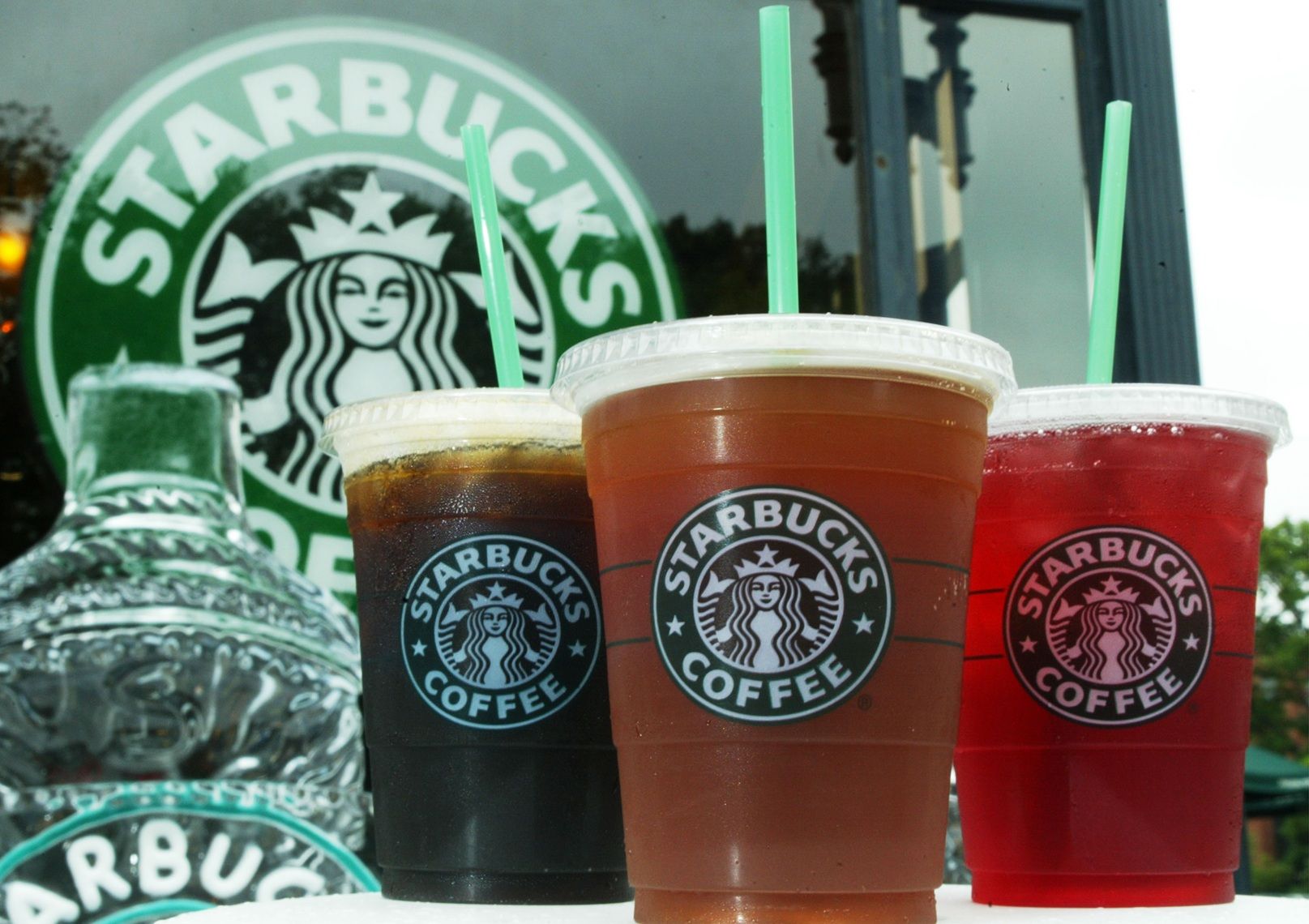
In 2026, the retail environment for discretionary spending has shifted. We are seeing a 2.6% increase in average ticket costs compared to 2025, driven by a combination of bean tariffs and rising labor union costs. The average cost of a daily Starbucks grande latte is approximately $5.74, but with the rise of customized cold beverages, which now make up 75% of sales, the price trap of "add-ons" like seasonal foams and syrups often pushes that total closer to $7.00.
This is where lifestyle creep becomes dangerous. We aren't just paying for the caffeine; we are paying for the experience and the convenience. However, purchasing power is being eroded by these micro-leaks. When you examine mindful discretionary spending habits, you have to account for the fact that these prices are not static. The coffee you bought for five dollars last year is six dollars this year. If your income isn't rising at the same rate, your daily ritual is actually taking a larger percentage of your wealth building potential every single month. Finding cost effective alternatives to daily coffee shop visits is no longer just a "frugal living" tip; it is a mathematical necessity for mid-level earners.
Emotional ROI: The First Cup vs. Second Cup Audit
As a personal finance editor, I never tell people to live a life of total deprivation. That is a recipe for a "spending binge" later. Instead, I advocate for a value-based spending audit. We need to distinguish between the First Cup, which provides high psychological value, and the Second Cup, which is often a result of redundant small spending habits or workplace boredom.
The First Cup is your ritual. It’s the "Third Place" where you catch up on news, gather your thoughts for the day, or meet a friend. That has real emotional ROI. However, mindful discretionary spending habits require us to look at the subsequent purchases. Are you buying that afternoon cold brew because you love it, or because you’re tired and it’s a habit?
To help my readers, I suggest using the following matrix to evaluate their daily spending:
- High Value / Low Cost: Home-brewed premium beans. You get the ritual and the quality for pennies.
- High Value / High Cost: The Friday morning coffee date. It's expensive, but it builds community and provides authentic joy.
- Low Value / High Cost: The daily, automated afternoon latte. You barely taste it, and it's costing you $2,000 a year.
- Low Value / Low Cost: The stale office coffee. It’s free, but if it makes you miserable, you’ll eventually overspend elsewhere to compensate.
By focusing on reducing discretionary spending for early retirement goals, you aren't removing joy; you are removing the mindless habits that provide zero long-term satisfaction. Practical steps for changing daily spending routines start with identifying which purchases are truly serving your well-being.
From Spender to Shareholder: Redirecting the Flow
If you really want to change your financial trajectory, you have to stop thinking like a consumer and start thinking like a shareholder. Instead of just paying the company, why not own a piece of the engine? To illustrate the difference between these small spending habits and wealth building, consider this: the average cost of a daily Starbucks habit is $2,095 per year. Meanwhile, a single share of that same company often pays a quarterly dividend.
| Opportunity | Daily Cost / Yield | 10-Year Outcome (7% Return) |
|---|---|---|
| Specialty Latte Habit | $6.00 / day | -$32,150 (Spent) |
| Home Brewed Coffee | $0.50 / day | -$2,680 (Spent) |
| Index Fund Investment | $5.50 / day | +$29,470 (Growth) |
| SBUX Share Dividend | $0.62 / quarter | Compounding Yield |
Redirecting the flow means taking the compounding benefits of saving five dollars a day and putting it into automated savings or tax-advantaged accounts. If you invest $5 per day at a 7% annual return, it can grow to over $170,000 over 30 years. That is a staggering sum for a habit that many of us don’t even think twice about.
By setting up a recurring transfer of $150 a month (the equivalent of a $5/day coffee habit) into an S&P 500 index fund, you are effectively turning a liability into an asset. You are capturing the gains of the market rather than letting the market capture your wages. This shift is the cornerstone of the FIRE movement and basic financial independence. Managing the large fixed costs like housing and transport is vital, but don't underestimate the psychological power of mastering your daily cash flow.
FAQ
How do small daily purchases impact long-term savings?
Small daily purchases act as a quiet drain on your wealth through the principle of opportunity cost. While a single five or six dollar purchase feels insignificant, the cumulative effect over decades is substantial. When those funds are not invested, you lose out on the exponential growth provided by compound interest, which can turn a few dollars a day into six-figure sums over a 30-year career.
How can I track my small daily expenses effectively?
The most effective way to track these expenses is through automated budgeting apps that categorize your transactions in real time. However, a "confessional" approach—writing down every single purchase in a notebook for one week—often provides more psychological clarity. Seeing the total at the end of seven days usually provides the "shock" necessary to trigger a change in small spending habits.
Can small spending habits prevent you from becoming wealthy?
On their own, small spending habits rarely make or break a person’s financial life, but they often mask a lack of discipline that carries over into larger financial decisions. While eliminating a latte won't make you a multi-millionaire, the mindset of mindful discretionary spending habits often leads to better choices regarding car payments, housing, and consistent index fund investing, which are the true drivers of wealth.
What is the best way to break a recurring spending habit?
The best way to break a habit is through "friction" and "replacement." To stop the daily coffee shop run, remove your credit card from the mobile ordering app and replace the ritual with a high-quality home brewing setup. By making the old habit harder and the new habit more appealing, you can shift your behavior without feeling a sense of loss.
How much money can you save by cutting out coffee or small snacks?
Research into consumer habits shows that making coffee at home instead of visiting a café can save you an average of $1,257.96 per year. If you also cut out a daily $4 or $5 snack, your annual savings can easily exceed $2,500. Over twenty years, if those savings are invested, they could represent over $100,000 in additional retirement security.