Quick Facts
- Resale Premium: Homes with solar panels sell for a national average premium of 6.9%, adding approximately $25,000 to the sale price.
- Ownership Models: Solar systems typically fall into four categories: Owned, Financed, Leased, or Power Purchase Agreements (PPA).
- Lifespan Gap: Solar panels usually last 25 to 30 years, but the inverters often require replacement every 10 to 15 years.
- Valuation Formula: A common industry benchmark suggests a property value increase of $20 for every $1 saved in annual energy costs.
- Lease Transfer Requirement: Most solar lease providers require buyers to have a minimum credit score of around 680 to assume a contract.
- Maintenance Baseline: Expect a fixed grid connection fee of approximately $20 per month even if your solar production covers all your electricity usage.
When you are buying solar home, your first priority is determining if the panels are owned or leased. Owned systems increase solar panel home value and are equity-positive, while leased systems require a solar panel transfer of ownership or a lease assumption that may impact your mortgage application. We recommend analyzing the financial structure of the solar agreement as early as the initial showing to ensure the Sustainable Real Estate Premium works in your favor rather than becoming a liability.
The Four Ownership Models: Why It Matters to Your Mortgage
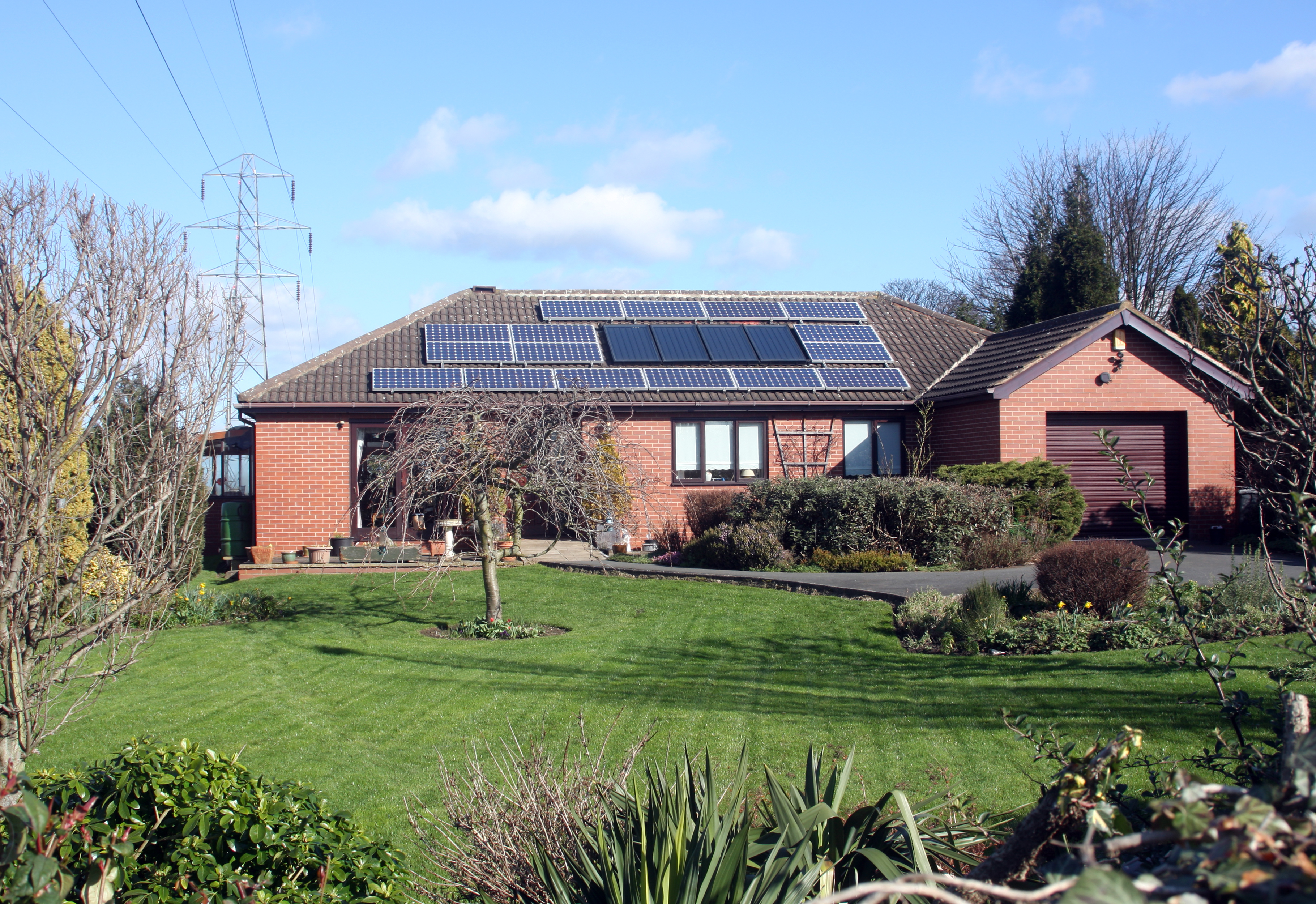
Understanding the legal and financial framework of a solar installation is critical because it dictates how the asset is treated during the appraisal and underwriting process. From a mortgage perspective, the difference between owned and leased solar panels when buying a home is the difference between an asset and a debt.
If the seller owns the panels outright, they are considered part of the real property. This is the cleanest scenario for a buyer, as the value is baked into the home price and covered by the primary mortgage. However, many systems are financed through specialized solar loans. In these cases, the impact of solar panel loans on mortgage approval depends on whether the loan will be paid off at closing or assumed by the buyer. If you assume a solar loan, the monthly payment will be included in your debt-to-income (DTI) ratio, potentially affecting the maximum loan amount you qualify for.
Leases and Power Purchase Agreements (PPA) are more complex. With these models, a third party owns the equipment. You are essentially paying for the right to use the equipment or the power it generates. During the solar panel transfer of ownership, the leasing company will typically perform a credit check on the buyer. Furthermore, many solar lenders file a UCC-1 Financing Statement. While this is not a lien on the real estate itself, it is a notice that the lender has an interest in the solar equipment. Your mortgage lender will need to ensure this filing doesn't interfere with their first-lien position on the property.
| Ownership Type | Ownership of Equipment | Monthly Cost | Impact on Home Equity |
|---|---|---|---|
| Owned Outright | Homeowner | $0 (after initial purchase) | High (adds direct value) |
| Financed | Homeowner (with lien) | Loan payment | Moderate (equity minus debt) |
| Leased | Third-party provider | Fixed monthly fee | Low (can be a liability) |
| PPA | Third-party provider | Variable (based on usage) | Neutral to Low |
When buying house with leased solar panels, you must review the original contract for Solar Component Warranties and performance guarantees. Some older leases may have "escalator clauses" where the monthly payment increases annually, which could outpace local utility rate hikes.

Calculating Solar Value: ROI and Appraisals
One of the most common questions we see at Grace Finance is how solar panels affect home appraisal and resale value in a fluctuating market. In 2026, the market has become much more sophisticated at valuing green energy. While a standard home appraisal uses comparable sales, a solar-certified appraiser may use the "income approach," which calculates the present value of the future energy savings the system will provide.
A study of 2025 Zillow data indicates that homes with solar panels sell for a national average premium of 6.9%, representing an increase of approximately $25,000 in sale price. This Sustainable Real Estate Premium is driven by the fact that today’s buyers are increasingly focused on monthly cash flow. If a home has a slightly higher mortgage payment but a zeroed-out electricity bill, the total cost of ownership is often lower than a cheaper home with high utility costs.
Typically, appraisers look for a Kilowatt Peak Capacity that matches the home's historical energy consumption. A system that is oversized for the property might not provide a proportional increase in solar panel home value because the utility company may limit the financial benefit of excess energy production. When buying solar home, we suggest looking for a system that was designed to meet 100% of the previous owner's needs while accounting for potential PV System Longevity.
The NREL Benefit Formula
For every $1,000 in annual energy savings, a home's value can increase by an average of $20,000. This $20:$1 ratio is a widely accepted guideline from the National Renewable Energy Laboratory (NREL) for estimating the direct impact of solar production on property appraisal.
Technical Due Diligence: Roofs, Inverters, and Interconnection
The hardware is just as important as the financing. One of the most critical questions to ask when buying a house with solar panels is: "How old is the roof under the panels?" Because solar panels are rated to last 25 to 30 years, they should ideally be installed on a relatively new roof. If the roof is 15 years old and the panels were just installed, you may face a $3,000 to $5,000 bill just to remove and reinstall the panels when the roof needs replacement in a few years.
We recommend a specialized inspection that covers the following:
- Roof Health: Checking roof age and condition under solar panels is vital to avoid deferred maintenance costs.
- Inverter Health: While panels are durable, the inverters (which convert DC to AC power) have a shorter Inverter Efficiency and Lifespan, typically requiring replacement after a decade.
- Production Logs: Request at least 12 months of performance data to verify that the system is producing what the seller claims.
- Meter Agreement: Understand how solar net metering works for home buyers in that specific utility territory. Net metering allows you to send excess power back to the grid for credit; however, some utilities are moving toward "net billing" which provides lower compensation for exported power.
- Interconnection Agreement: Ensure the Grid Interconnection Agreement is transferable. This document is the legal permission from the utility to operate the solar system in tandem with the local grid.
Navigating the Transfer Process
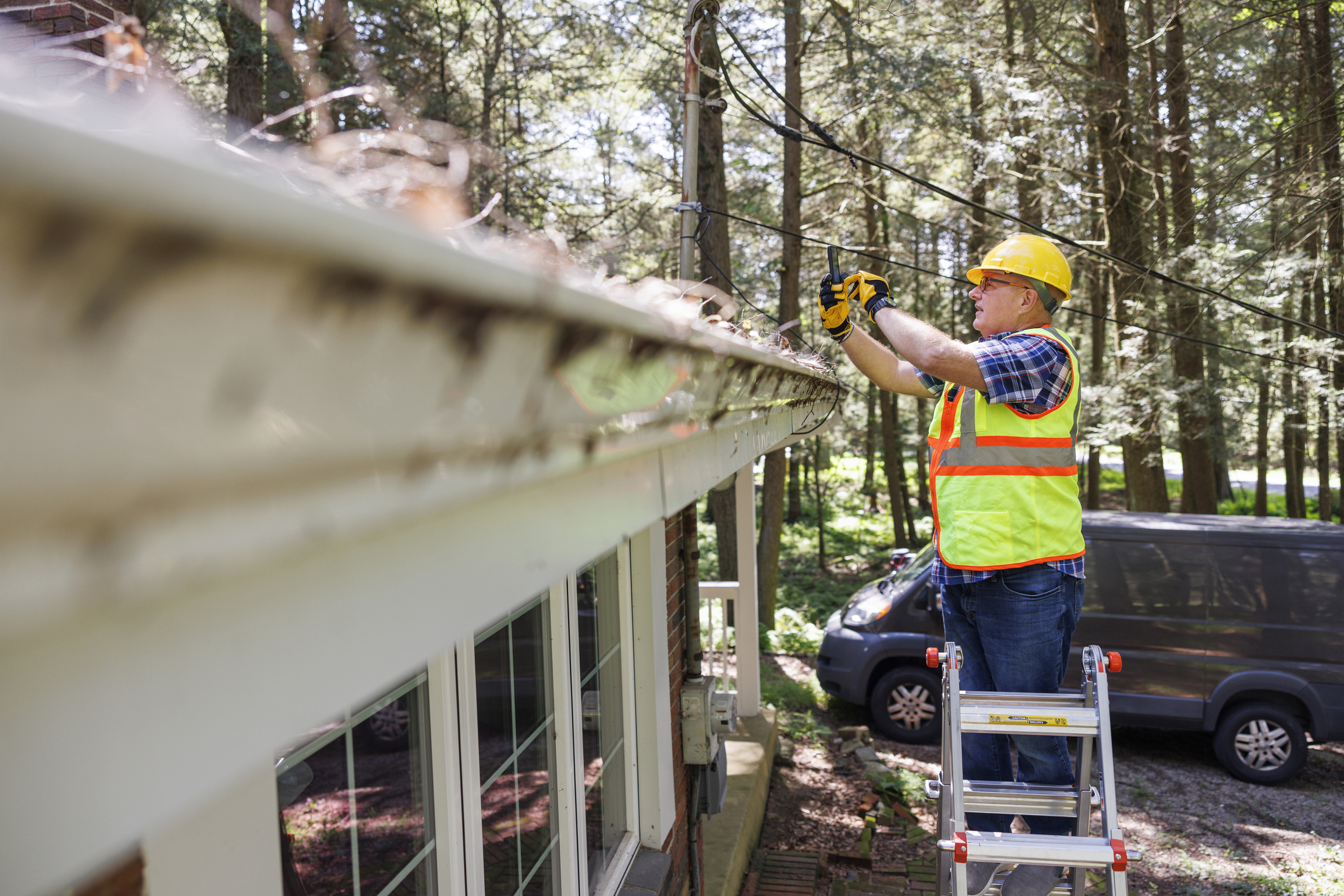
The administrative side of the solar panel transfer of ownership should begin as soon as the purchase agreement is signed. Waiting until a week before closing can lead to delays, especially if a third-party leasing company is involved. The transferring solar lease to new homeowner process requires the seller to initiate a "service transfer request."
As a buyer, you should request a comprehensive package of essential solar panel documentation for real estate closing. This package should include the original installation contract, the final electrical permit, the interconnection agreement, and the Property Disclosure Statement specifically detailing the solar system's status. It is also wise to contact your insurance agent early to add a Homeowners Insurance Rider. Most standard policies cover roof-mounted panels, but you want to ensure the coverage limits account for the full replacement cost of the array.
The role of a Service Transfer Specialist at the solar company is to facilitate this hand-off. They will guide you through the digital signatures for the lease assumption and ensure that the monitoring software account is moved into your name. Remember that if the system is leased, you are not just buying a home; you are entering into a long-term commercial contract. Read every page of that agreement to ensure there are no hidden fees or maintenance obligations that you aren't prepared to handle.
FAQ
Does solar increase the value of a home?
Yes, in most markets, solar panels significantly increase the resale value. Current data suggests a premium of nearly 7% on average. This value is most recognized when the system is owned, as it represents a tangible asset that reduces the future owner's operating costs.
What questions should I ask when buying a house with solar panels?
You should ask about the ownership status (owned vs. leased), the age of the roof at the time of installation, the age of the inverters, and if the warranties are transferable. Additionally, ask to see the last 12 months of utility bills to verify actual savings.
How do solar leases transfer when buying a home?
A solar lease transfer usually involves a credit check for the buyer and a formal assumption agreement. The seller must contact the solar provider to start the transfer process, and both parties will sign documents that pass the monthly payment obligations and maintenance benefits to the new homeowner.
Is it better to buy a house with owned or leased solar panels?
From a financial and equity perspective, it is almost always better to buy a house with owned solar panels. Owned panels add to your home's equity and have no monthly payment, whereas a leased system is an ongoing liability that must be paid every month and does not add direct value to the home's appraisal.
How do I verify the age and condition of a home's solar system?
You can verify the age by reviewing the original installation permits and the system's contract. To check the condition, request access to the system's online monitoring portal, which shows real-time and historical energy production data. A professional solar inspection is also highly recommended.
Will a solar panel lease make it harder to get a mortgage?
It can, depending on your debt-to-income ratio. Mortgage lenders include solar lease or loan payments in your monthly debt totals. If your DTI is already tight, the added cost of a solar lease could impact your ability to qualify for the home loan. Additionally, the lender will need to review any UCC-1 filings to ensure their lien priority.

Investing in a home with solar is an excellent way to hedge against rising energy costs while contributing to a sustainable future. However, as with any specialized home feature, the financial details matter. By verifying ownership, assessing the roof's remaining life, and understanding the transfer mechanics, you can ensure your new home is a source of savings rather than a surprising expense. We recommend consulting with a real estate agent who has experience in green energy transactions to help you navigate the specific disclosures required in your state.