Quick Facts
- 2026 Median Income: The baseline median retirement income for Americans aged 65 and older stands at $58,680 annually.
- The Age Cliff: Household earnings see a dramatic 43% drop once retirees cross the age 75 threshold.
- Peak Savings: Median retirement wealth generally peaks at $200,000 between ages 65 and 74 before declining to $130,000 in later years.
- Spending Disparity: There is a notable gap between the $58,680 median income and the current $62,000 average annual expenditure for senior households.
- Medicare Costs: Retirees should budget for a projected $185 monthly premium for Medicare Part B in 2026.
- Withdrawal Targets: Modern strategies suggest a flexible range of 3.9% to 5.7% to maintain purchasing power throughout a long retirement.
In 2026, the median retirement income for Americans aged 65 and older is approximately $58,680, or about $4,890 per month. However, data reveals a startling 43% drop in income for those over age 75 compared to younger retirees who are often still transitioning out of the workforce. Understanding this average retirement income deceleration is critical for long-term portfolio sustainability and ensuring your lifestyle remains intact as your earned income disappears and fixed sources take over.
The 43% Cliff: Why Retirement Income Drops After Age 75
When we talk about the "Golden Years," we often group everyone over 65 into a single bucket. As an investment strategy editor, I see this as a fundamental mistake in portfolio design. Retirement is not a flat line; it is a series of stages, each with a different financial profile. The most significant transition occurs around age 75, a point where many households experience a sharp income contraction.
The numbers tell a sobering story. The median annual income for households aged 60 to 64 is approximately $83,770. This age bracket often includes many individuals who are still working full-time or have transitioned into high-paying consulting roles. However, as we look further into the horizon, the median income drops by 43 percent to about $47,790 for those aged 75 and older. This shift represents the transition from the "Go-Go" years of early retirement into the more sedentary "Slow-Go" years.
Why does this drop happen? Primarily, it is the total cessation of work-related earnings. While someone at 68 might pick up a part-time project or maintain a board seat, by 78, most have fully committed to asset decumulation. Additionally, for many married couples, the death of a spouse can trigger a significant loss in Social Security benefits, as the smaller of the two checks disappears, yet common household expenses rarely drop by half.
This period also coincides with a depletion of liquid assets. Data confirms that median retirement savings typically peak at $200,000 for households aged 65 to 74. As retirees age into the 75-plus bracket, that median figure declines to $130,000. Managing retirement income deceleration in later life requires a proactive shift from growth-oriented mindsets toward protecting fixed income sources and ensuring Social Security COLA adjustments keep pace with the rising costs of living.

Geographic Impact: Retirement Income by State
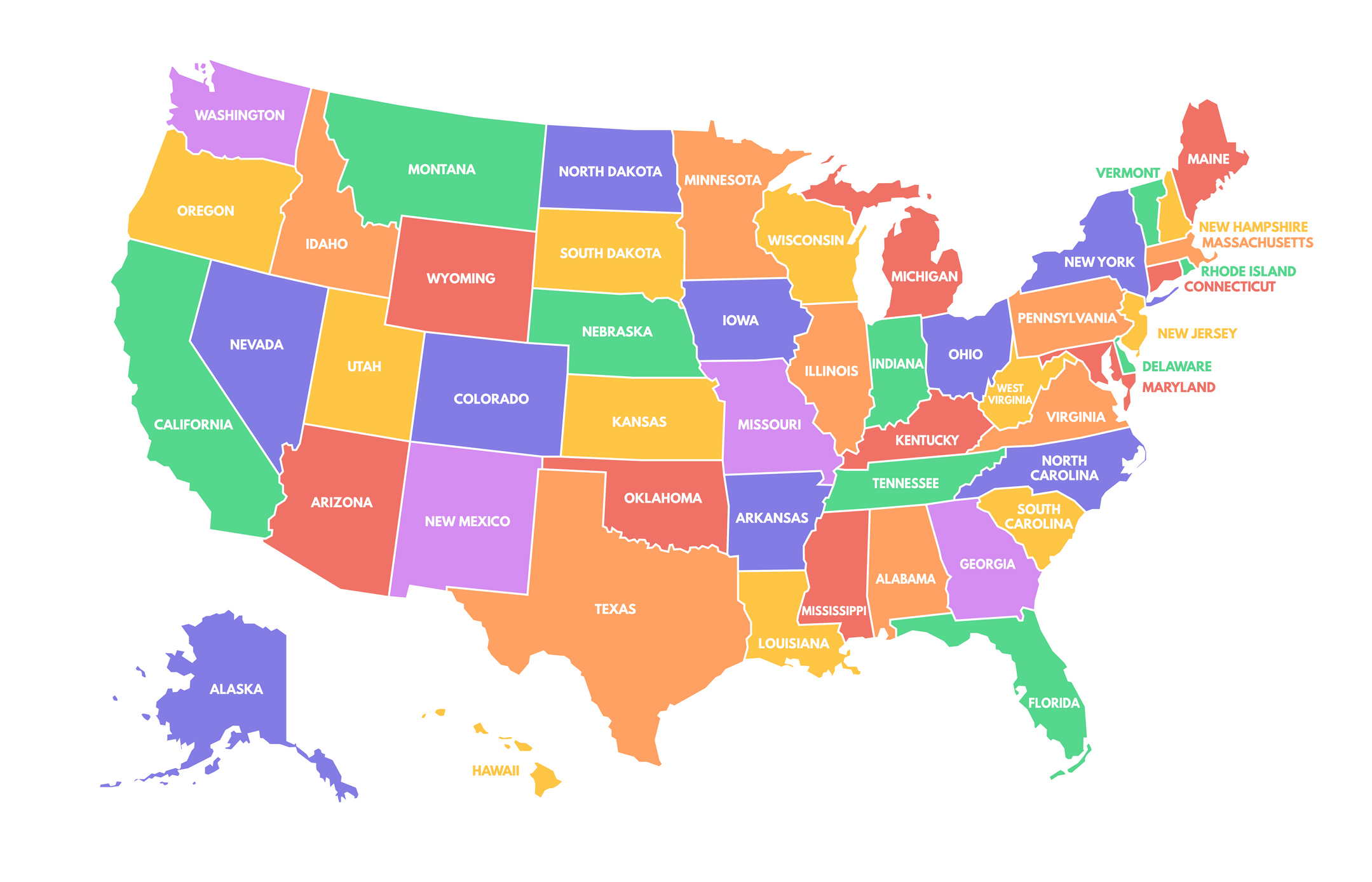
One of the most effective ways to manage the longevity of your portfolio is to understand that retirement income by state is not created equal. Where you choose to plant your roots acts as a powerful "savings lever" because state-level taxes and the cost of living index vary wildly across the country.
For instance, the median annual income for households aged 65 to 69 is approximately $68,860. However, if you are living in a high-cost area like the District of Columbia, your purchasing power looks very different than it would in Indiana. Some states offer aggressive tax exemptions for Social Security and pension benefits, while others treat every dollar of your IRA distribution as ordinary income.
| State / Region | Estimated Median Retirement Income | Primary Driver |
|---|---|---|
| District of Columbia | $43,000+ | High concentration of federal pensions |
| Maryland | $38,000+ | Proximity to high-wage labor markets |
| Indiana | $20,000+ | Lower cost of living, lower wage history |
| Mississippi | $21,000+ | Lowest cost of living index in the U.S. |
When we analyze the median income for retirees, we must account for these regional variances. If you are living on a fixed income of $48,000 a year in a high-tax state, you may find your discretionary spending severely limited compared to a neighbor in a tax-friendly jurisdiction. For 2026 retirees, looking at the geographic map is as essential as looking at your asset allocation. Moving just across a state line can sometimes be equivalent to a 10% raise in your net income.
Bridging the Gap: 2026 Retirement Withdrawal Strategies
If the "CLIFF" is the problem, the solution lies in your distribution strategy. For decades, the 4% rule was the gold standard. However, in an era of higher volatility and shifting interest rates, a static withdrawal rate can be dangerous. I recommend my readers look into a dynamic guardrails approach for retirement distributions.
The dynamic guardrails approach for retirement distributions involves setting a flexible withdrawal range—typically a floor of 3.9% and a ceiling of 5.7%.
The Dynamic Guardrails Rule
- Standard Target: 5.0% of your portfolio annually.
- The Ceiling (5.7%): If the market performs exceptionally well, you can increase your spending to enjoy your wealth while you are healthy.
- The Floor (3.9%): If the market drops significantly, you reduce your withdrawal to protect the principal. This prevents sequence of returns risk from devastating your lifetime income.
Beyond withdrawal rates, tax efficient withdrawal strategies for 2026 retirees should focus on the "tax valley." This is the period after retirement but before Required Minimum Distributions (RMDs) kick in at age 73 or 75. During these years, you might consider Roth conversions to reduce your future taxable estate and lower your long-term tax bracket.
Protecting your portfolio longevity also means maximizing fixed income. For many, delaying Social Security until age 70 remains the best "investment" available, offering a guaranteed 8% annual increase for every year you wait past your full retirement age. This serves as a hedge against longevity risk, ensuring that even if your private investments encounter a downturn, you have a solid, inflation-adjusted base.
Protecting Longevity: Addressing Late-Stage Vulnerabilities
As we age, the nature of our expenses changes. In our early 60s, discretionary spending on travel and hobbies dominates the budget. By our late 70s, these costs are often replaced by healthcare expenditures. For 2026, retirees must account for Medicare Part B premiums, projected to be around $185 per month, along with the rising costs of supplemental insurance and out-of-pocket care.
Managing sustainable withdrawal rates for retirement portfolio longevity is not just about the numbers; it is about risk mitigation. We must address the fact that Social Security becomes the anchor of existence for many; for the lower quartile of retirees, Social Security often constitutes 90% of their total income.
To avoid the 43% income trap, you must plan for wealth preservation early. This includes:
- Establishing a Cash Buffer: Keeping 1-2 years of expenses in high-yield savings or short-term bonds to avoid selling equities during a market dip.
- Addressing Sequence of Returns Risk: The first few years of your withdrawal phase are the most critical. If the market underperforms early on, your portfolio may never recover without a dynamic adjustment.
- Inflation Protection: Ensuring your asset decumulation plan includes equities or TIPS (Treasury Inflation-Protected Securities) to maintain purchasing power against the rising costs of goods and services.
Effective retirement planning is a marathon, not a sprint. The goal is to ensure that your 85-year-old self is as financially secure as your 65-year-old self.

FAQ
What is the average annual retirement income in the United States?
In 2026, the median retirement income for a typical household aged 65 and older is approximately $58,680. While the mean or average income figure is often higher—around $89,120—this is distorted by very high earners. Looking at the median provides a more realistic view of what the middle-class retiree actually earns from Social Security, pensions, and investments.
What is a comfortable monthly retirement income for a couple?
A comfortable income usually aligns with the 80% rule, where you aim to replace 80% of your pre-retirement earnings. For many couples in 2026, a monthly income of $5,000 to $6,500 is considered comfortable, covering essential needs like housing and healthcare while leaving room for discretionary travel and leisure activities.
Is $50,000 a year enough to live on in retirement?
Whether $50,000 is sufficient depends heavily on your lifestyle and location. Since the median retirement income for those over 75 is approximately $47,790, many Americans do live on this amount. However, with average annual expenses for seniors currently hovering around $62,000, a $50,000 income may require significant budgeting or living in a state with a low cost of living.
How does retirement income vary by state?
Retirement income by state spans a wide spectrum due to local economic conditions and tax policies. States like Maryland and the District of Columbia show higher median incomes due to professional demographics and government pensions, while states like Indiana and Mississippi have lower median incomes that reflect a much lower local cost of living and historical wage patterns.
What are the main sources of income for most retirees?
For the majority of Americans, income is a "three-legged stool" consisting of Social Security benefits, employer-sponsored pensions or 401k distributions, and personal savings or investments. As retirees age, Social Security often becomes the most dominant leg, sometimes providing up to 90% of total income for those in the lower income brackets.