Quick Facts
- Weekly Budget Target: $37 per person
- Execution Strategy: Multi-store routing starting with liquidation centers
- Price Trigger: Buy produce only when priced at $0.99/lb or less
- Core Nutritional Staples: High-protein lentils and whole-grain oats
- Primary Shopping Day: Wednesday for double sale day overlaps
- Sustainability Focus: Strategic inclusion of calorie-dense snacks to prevent burnout
Achieving a sustainable budget grocery haul with our $37 weekly breakdown requires more than just looking for coupons; it demands a shift in how we navigate the modern food landscape. We cover multi-store routing, liquidation store grocery shopping, and produce tips to ensure your fridge stays full without your bank account running dry. To achieve a sub-$40 weekly budget grocery haul, shoppers should utilize a multi-store strategy that combines regional liquidation centers with dollar stores. Focusing on seasonal produce priced at $0.99/lb or less allows for high volume and nutrition at a lower cost.
The Inventory Audit: Starting From Your Pantry
Before you even grab your car keys, the real work of ultra low budget grocery planning begins in your own kitchen. Most of us are sitting on a goldmine of forgotten ingredients that we’ve already paid for. I call this the Reverse Meal Plan. Instead of deciding what you want to eat and then buying the ingredients, you look at what you have and fill in the small gaps.
Inventory auditing is the first step toward financial discipline. Go through your freezer and pull out that half-bag of frozen peas or the single chicken breast buried at the bottom. Check the back of the pantry for that jar of marinara or the box of quinoa you bought on a whim last year. By identifying this dead stock, you can prevent unnecessary spending.
We emphasize food waste reduction because every strawberry that grows fuzzy in the crisper drawer is literal money being tossed into the trash. Create a Use This Soon list on your fridge. If you have half an onion and a nearing-expiry carton of eggs, your first meal of the week is an omelet—no shopping required. This level of ultra low budget grocery planning for one person relies on maximizing every ounce of food already in your possession. Use inventory rotation techniques by bringing older items to the front of the shelf so they are used before they expire.

Multi-Store Routing: The Liquidation Strategy
The traditional "one-stop shop" is a convenience tax that budget-conscious planners can no longer afford. Statistics show that approximately 76% of grocery shoppers visit more than one retailer per week, with 60% of those consumers citing lower prices as their primary motivation. To hit a sub $40 weekly grocery haul breakdown, you have to be willing to move.
Our primary weapon is the liquidation store grocery shopping strategy. These retailers buy Closeout inventory from major chains—items with old packaging, seasonal overstock, or short-dated labels. You might find a premium organic almond milk for $1.50 simply because the brand changed its logo. When navigating these aisles, store-hopping logistics become vital. Start at the liquidation center to see what "treasures" are available, then hit the dollar store for staples like spices or pasta, and only then visit the traditional supermarket for whatever is left on your list that didn't appear elsewhere.
| Store Type | Best For | Typical Savings |
|---|---|---|
| Liquidation Center | Specialized perishables, organic dairy, luxury frozen goods | 50-70% off MSRP |
| Dollar Store | Dried pasta, spices, canned beans, cleaning supplies | Fixed low entry point |
| Warehouse/Wholesale | Bulk grains, oils, large bags of potatoes | Lowest unit price |
| Traditional Supermarket | Loss leaders (items sold at a loss to get you in the door) | Variable |
The secret to success here is unit price comparison strategies for groceries. Don't look at the $4.99 sticker; look at the price per ounce. A larger container isn't always cheaper, especially at liquidation stores where individual units are often priced to clear. If you find a massive discount, consider bulk purchase splitting with a friend or neighbor to keep costs down while reaping the rewards of a lower unit price.

Produce Strategy: Achieving the $0.99/lb Target
Fresh vegetables are often the first thing to go when a budget gets tight, but it doesn't have to be that way. The key is to ignore the "pretty" displays at the front of the store and focus on the math. I follow a strict buy-trigger: if it’s more than $0.99 per pound, I’m looking for an alternative.
The cheapest fresh produce tips for small budgets involve following the seasons. In the winter, you’ll find mandarins, carrots, and potatoes hitting that rock-bottom price. In the summer, it might be grapes or zucchini. When fresh options are priced too high, switching to frozen produce is a smart move. Frozen vegetables are picked at peak ripeness and flash-frozen, often offering a better Cost-per-nutrient ratio than "fresh" produce that has spent two weeks in a shipping container.
- The $0.99/lb Hall of Fame:
- Carrots (Bulk bags)
- Bananas (Always a budget staple)
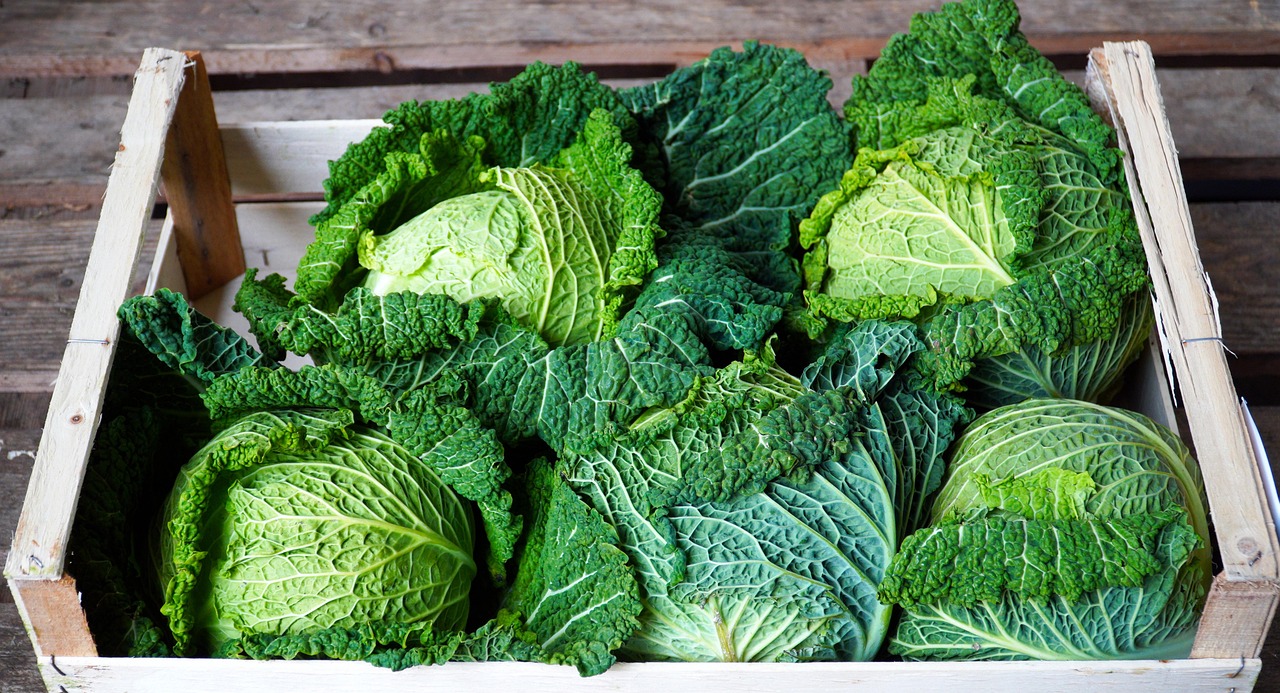
- Cabbage (The ultimate high-volume nutrient source)
- Onions and Potatoes (When bought in 5lb or 10lb bags)
- Seasonal citrus (Oranges and mandarins)
To stretch your dollars further, use Private label substitutions for anything that isn't the star of the show. Your palate likely won't notice the difference between name-brand and store-brand bagged spinach when it's sautéed with garlic. Also, keep an eye out for "Double Sale Days"—usually Wednesdays—when the previous week’s flyer deals and the new week’s offers both apply, allowing for a concentrated budget grocery haul that maximizes every cent.
The Psychology of Savings: Snacks & Calorie Density
Frugality fails when it feels like a punishment. If your grocery bag contains nothing but lentils and kale, you are significantly more likely to give up by Tuesday and order a $30 pizza. This is why we prioritize psychological sustainability. You need to include budget grocery snacks for calorie density to keep your energy levels steady and your cravings at bay.
Frugal meal prepping isn't just about nutrition; it's about fullness. This is where Shelf-stable staples like peanut butter, oats, and popcorn kernels come into play. A bag of popcorn kernels costs pennies per serving and provides that "crunch" fix without the $5 price tag of a bag of potato chips. Peanut butter is an incredible tool for maintaining calorie density on a budget—two tablespoons added to your morning oatmeal can keep you full until a late lunch.
Focus on overlapping ingredients to reduce the number of items you need to buy. If you buy a large bag of flour, you can make tortillas, pancakes, and bread throughout the week. This versatility is the hallmark of a high-functioning budget. By intentionally selecting calorie-dense snacks and staples, you create a safety net for your willpower, ensuring that your $37 budget feels like a feast rather than a fast.
FAQ
How do I start a budget grocery haul?
Start by cleaning out your pantry and fridge to see what you actually need. Download the apps for three local stores—a liquidation center, a discount grocer, and a traditional supermarket—to compare their weekly flyers. Set a hard cash limit before you enter the store to prevent impulse buys.
What are the best foods to buy on a tight budget?
Focus on versatile, high-calorie, and shelf-stable items. Lentils, brown rice, oats, peanut butter, and dried beans provide the best bang for your buck. For produce, stick to cabbage, carrots, and bananas, which consistently stay near the $0.99 per pound mark.
How can I spend $50 a week on groceries?
A $50 budget is actually quite generous if you apply the same multi-store strategy used for a $37 haul. The extra $13 allows you to incorporate more high-quality proteins like Greek yogurt, eggs, or lean ground turkey, and perhaps one or two "luxury" items like a specific brand of coffee or fresh berries when they are on sale.
How do you meal plan for a low-cost grocery haul?
Use the "Star and Support" method. Choose one star ingredient that you bought in bulk (like a 5lb bag of rice) and build 3-4 different flavor profiles around it: Mexican-inspired bowls, fried rice, and creamy rice porridge. This reduces the number of unique ingredients you need to purchase.
How can I eat healthy while grocery shopping on a budget?
Healthy eating on a budget is a math problem involving the nutrient-to-cost ratio. Buy whole foods rather than processed "diet" foods. A head of broccoli and a bag of dried lentils are significantly cheaper and more nutritious than a "healthy" frozen entree. Utilize frozen fruits and vegetables to get high-quality nutrients without the risk of spoilage.
Focusing on financial consistency is the only way to turn these one-time savings into a lifelong habit. When you treat your grocery budget as a strategic game of logistics and unit pricing, you stop being a victim of inflation and start being a manager of your own wealth.